
Short answer: a radiant cut diamond hides inclusions and color tint better than most shapes. The “crushed ice” facet pattern lets you drop to SI1 clarity and H color safely. Same look. Thousands cheaper. That is the whole secret.
You like the radiant cut. The rectangular shape of an emerald. The fire of a round brilliant. Best of both. But also confusing to buy.
Deal Alert: Mother’s Day Sale Up To 30% Off* select fine jewelry at Blue Nile.
New Collection: Shop the James Allen Collection at Blue Nile.
Vault Sale: “Clear The Vault” – Get up to 70% OFF at Blue Nile!
Flash Sale: Save up to 40% OFF sitewide at Rare Carat.
Exclusive: Get up to 60% OFF select fine jewelry at Ritani.
You are stuck between radiant vs cushion cut. Or emerald vs radiant cut. You heard GIA does not issue a Cut grade for radiants. You saw the term “bow-tie.” You have no idea how to pick a good one.
Here is the real buyer guide. I cover the 7 mistakes that cost shoppers thousands. Plus the one secret that solves all of them. We will walk through the search for a GIA certified radiant diamond or a lab-grown one.
More importantly, I will reveal the one big secret that is the key to avoiding them and getting that massive, brilliant, and beautiful 2 carat radiant cut diamond ring you’ve been dreaming of, for an incredible price.
Diamond IQ Test: Natural or Lab-Grown?
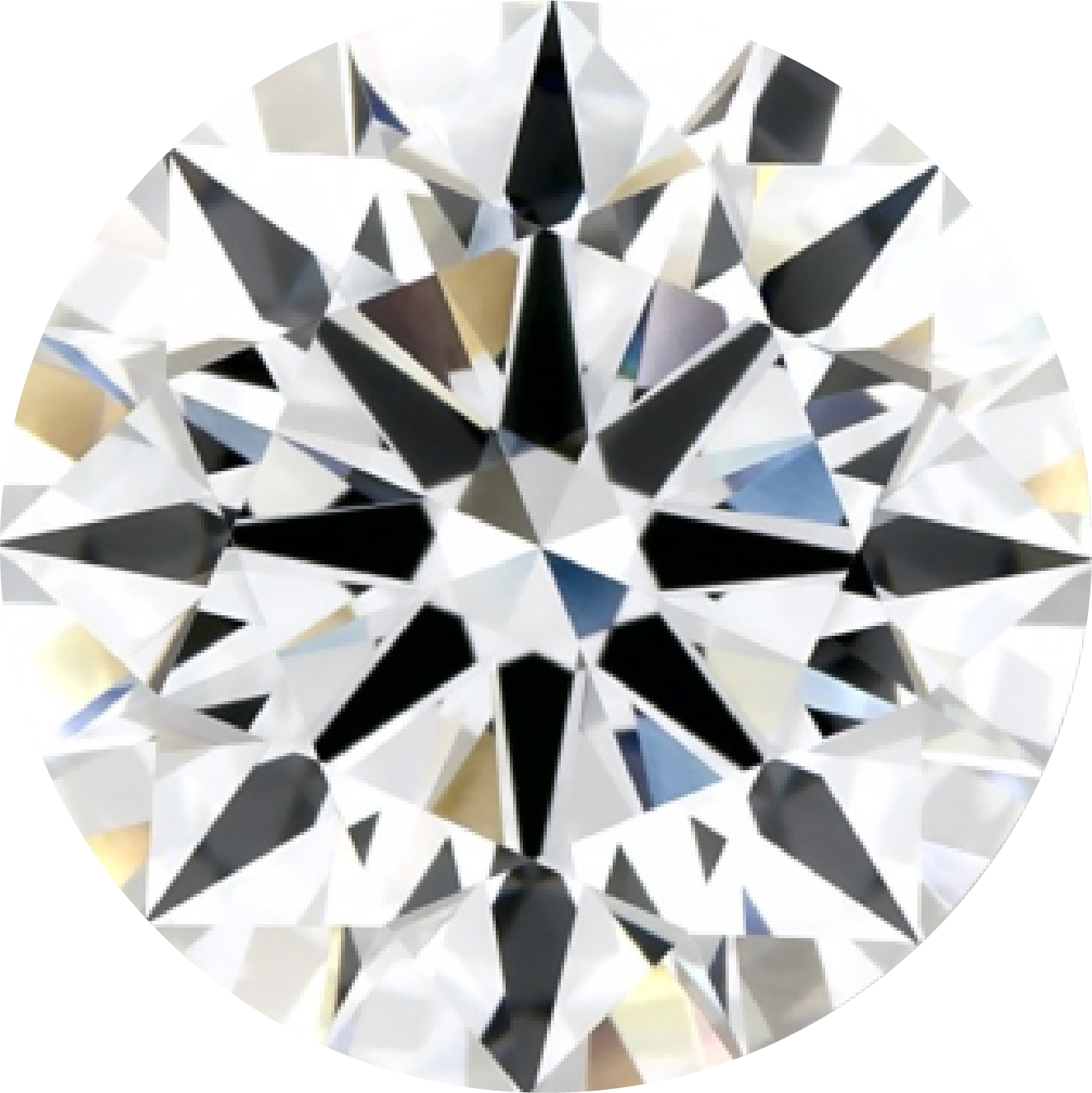
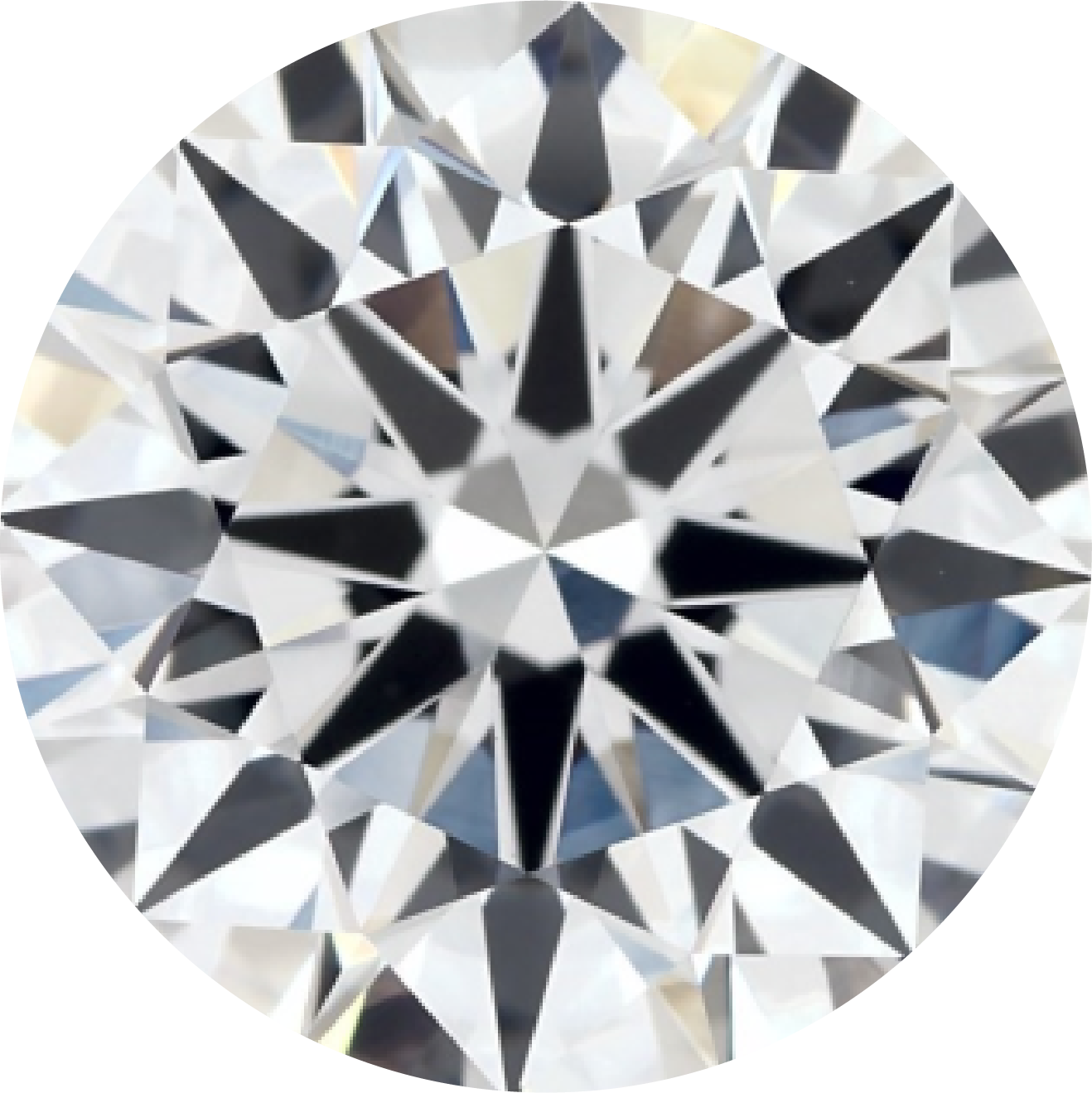
Two identical diamonds: GIA Certified, 1.51ct, D Color, VVS1, Ideal Cut. One is natural ($16,240), the other is lab-grown ($1,970). Choose the diamond you like better and see if you can match it to its origin.
Quick Answer
Radiant Cut Diamond — 60-Second Answer
- 1-carat radiant: approximately 6.5 x 5.0 mm (classic 1.30 L/W ratio)
- 2-carat radiant: approximately 8.1 x 6.3 mm
- Face-up size vs round: 10-15% smaller face at same carat weight
- Crushed ice look: Scattered mosaic sparkle from 70 brilliant-cut facets
- Price per carat (natural): approximately $5,000-$7,500 for 1-carat G-H VS2
- Price per carat (lab): approximately $800-$1,500 for 1-carat G-H VS2
- Safe clarity grade: SI1 — crushed ice pattern hides inclusions
- Safe color grade: H — rectangular facets mask warm tint
- Avoid: Bow-tie effect in the center. Check video before buying.
Mehedi’s Take: “I steer radiant buyers toward SI1 clarity and H color almost every time. The crushed ice pattern does the hiding for you. Same ring, 30% cheaper, zero visual difference.” — Mehedi Hasan, Diamond Industry Veteran
A Diamond Designed to Be the Best of Both Worlds
Before we dive into the mistakes to avoid, you need to understand the brilliant idea behind the radiant cut diamond. This isn’t an ancient, classic cut; it’s a modern marvel, a “hybrid” specifically engineered to solve a problem that has plagued jewelers for centuries.
The History: Inventing the Perfect Hybrid
For a long time, diamond buyers had two distinct choices. You could have the elegant, clean, rectangular shape of a step cut like the emerald cut diamond, but you had to sacrifice fiery sparkle. Or, you could have the explosive sparkle of a round brilliant cut diamond, but you had to accept its traditional round shape.
Then, in 1977, a master cutter named Henry Grossbard had a revolutionary idea. He asked: “Why can’t we have both?” He set out to create a diamond that combined the best of both worlds.
He essentially took the sophisticated, rectangular floor plan of an emerald cut and packed it with the fiery, brilliant-cut engine of a round. After years of perfecting his technique, the radiant diamond cut was born.
The Look: An Explosion of “Crushed Ice”

So, what is a radiant cut diamond when you see one? It’s a spectacle of light. The design features a stunning 70 facets, a complex arrangement that maximizes the stone’s ability to catch and reflect light. The result is a signature look that gemologists call “crushed-ice.”
- It’s a vibrant, scintillating sparkle that is incredibly lively.
- The light is chopped up into a thousand tiny pieces, creating a brilliant “blizzard” of light.
- This intense brilliance is second only to the round brilliant itself.
A radiant stone doesn’t just flash; it explodes with fire. It’s a choice for someone who wants an elegant rectangular shape without sacrificing any of the “wow” factor. It truly is the best of the brilliant vs radiant cut worlds.
A Jeweler’s Honest Breakdown: The Pros & Cons
Now, as your friend in the business, I need to give you the unvarnished truth. The radiant’s unique design gives it some incredible strengths, but it also comes with a unique set of challenges that can trap an unprepared buyer. Let’s lay it all out.
| The Pros of a Radiant Cut | The Cons of a Radiant Cut |
| Incredible Brilliance & Sparkle | GIA Does Not Assign a Cut Grade |
| Appears Larger Than Its Carat Weight | Potential for a “Bow-Tie” Effect |
| Excellent Value & Affordability | Shape Appeal (L/W Ratio) is Key |
| Very Durable (Cropped Corners) | Can Be Hard to Find in Local Stores |
My Mehedi’s Take: Let’s be clear about what this table is telling us. You are looking at a diamond that offers top-tier sparkle, a large visual size, excellent durability, and a fantastic price. It is, on paper, one of the best choices a savvy buyer can make.
However, that “Cons” column is where the risk lies. The challenges of a radiant cut are all technical nuances that you can’t see on a basic report. This is not a “buy it off the certificate” diamond. To reveal its incredible value, you have to know how to handle its unique complexities, which is exactly what the rest of this guide will teach you.
For a full overview of how the radiant fits into the broader market, our complete Diamond Shapes Guide is an essential starting point.
My Expert Guide to Choosing the Perfect Radiant Diamond: Avoiding the 7 Critical Mistakes
Welcome to the most important section of this guide. We are now going to walk through the seven costly mistakes that I see buyers make every single day with the beautiful and complex radiant diamond. For each trap, I will give you a simple, powerful solution that will save you money and lead you to a truly spectacular stone.
Mistake #1: Overpaying for Clarity You Can’t See (The #1 Secret)
The Trap: A buyer knows that a step cut like an emerald requires a high clarity grade. They mistakenly apply this logic to the radiant cut, treating it like an unforgiving step cut and buying a VVS or VS1 clarity diamond “just to be safe.” This can cost them thousands of dollars unnecessarily.
James Allen: Our 5-Star Choice for Price and Selection
Check our comprehensive James Allen Review to learn more about their pricing and commitment.
The Mehedi Solution & The Big Secret: Embrace the Radiant’s Natural Camouflage!
Here it is, the #1 secret to the radiant cut diamond: its “crushed-ice” facet pattern is a master of camouflage. The dense, complex, and seemingly chaotic pattern of its 70 brilliant facets chops up light into a thousand tiny pieces.
This creates a dazzling “blizzard” of sparkle that is incredibly effective at hiding small inclusions. An inclusion that might be a glaring flaw in the open window of an emerald cut is completely swallowed by the fire of a radiant stone.
This is your ultimate advantage. Your goal is not a “flawless” certificate; your goal is an “eye-clean” SI1. An SI1 that looks clean to the naked eye is the value-hunter’s dream, and this is the perfect shape to find one.
For example, a savvy buyer might choose a beautiful 1.24 Carat, G Color, SI1 radiant from James Allen and save nearly 30% compared to a VS2 with no visible difference. This single tip is the secret that saves you thousands. To become an expert at spotting these, our SI1 Clarity Diamond Guide will turn you into a pro.
Mistake #2: Overpaying for Color You Can’t Perceive
The Trap: A buyer, determined to get a “perfect” ring, spends a massive premium on a D or E color diamond, believing it’s the only way to get a truly “white” look.
The Mehedi Solution & The Second Secret: Just like with clarity, the radiant’s intense brilliance helps to mask the diamond’s natural body color. That “crushed-ice” effect creates so much bright, white light return that it can make a lower color grade look whiter than it actually is.
My Expert Recommendation:
- An H color will look perfectly icy-white to the naked eye in any setting and costs significantly less than the colorless D-F grades. This is the ultimate sweet spot.
- For a radiant cut gold ring (yellow or rose gold), you can find incredible value by dropping down to an I or even J color, as the warmth of the metal will perfectly complement any subtle warmth in the stone. A gorgeous J color radiant from Blue Nile set in yellow gold can look stunningly white and save you nearly 50% compared to a D color.
Mistake #3: Ignoring the Bow-Tie Effect
The Trap: A buyer finds a great deal on a beautiful long radiant cut diamond ring but only looks at a static picture. When the ring arrives, they are disappointed to see a persistent dark shadow across the center, a dead zone that dulls the sparkle.
The Mehedi Solution: Be a Bow-Tie Hunter.
Like other elongated fancy shapes, any radiant vs elongated radiant can exhibit a “bow-tie” effect. This is a dark, bowtie-shaped shadow caused by facets that leak light. A severe, dark bow-tie is a deal-breaker and a sign of a less-than-ideal cut.
The 360° video is your non-negotiable tool for spotting this. Look for a stone where the center lights up as it turns and the bow-tie is minimal or completely absent. For a full breakdown of this phenomenon, our Oval Cut Diamond Buying Guide provides an excellent, in-depth explanation.
Mistake #4: Choosing the Wrong Shape (The L/W Ratio)

The Trap: A buyer has their heart set on a classic, elongated rectangle but accidentally buys a square radiant cut diamond, or vice-versa, because they didn’t pay attention to the measurements on the certificate.
The Mehedi Solution: Decide on Your Shape Before You Shop.
The radiant diamond shape is defined by its Length-to-Width (L/W) Ratio. You must decide which silhouette you prefer before you begin your search.
| L/W Ratio | Shape Description | Mehedi’s Expert Take |
| 1.00 – 1.05 | The “Square” Radiant | A perfect choice for a symmetrical, modern look. Competes directly with the Princess Cut. |
| 1.06 – 1.19 | The “Chubby” Rectangle | A less common, wider shape that can be very beautiful if well-cut. |
| 1.20 – 1.35 | The “Classic” Rectangle | This is the absolute sweet spot for that iconic, elegant, elongated radiant look. |
| > 1.35 | The “Elongated” Rectangle | A dramatic and finger-slimming look, perfect for a 5 ct radiant cut diamond ring. |
Use the L/W ratio filter on the retailer’s website. The best ratio for a radiant cut diamond is the one that you find most beautiful.
Mistake #5: Trusting a Certificate That Lacks a Cut Grade
The Trap: A buyer knows that GIA is the best lab, so they assume the GIA report for their radiant tells them everything they need to know about its quality.
The Mehedi Solution: You Must Be the Judge of the Cut.
As we’ve said, the GIA does not assign an overall Cut grade for the radiant cut. You must look at the certificate’s proportions as a starting point.
Mehedi’s Expert Starting Point for Radiant Proportions

- Table %: 61% to 69%
- Depth %: 61% to 67%
- Girdle: Very Thin to Slightly Thick
- Culet: None
These ideal radiant cut diamond proportions will help you filter out the majority of poorly cut stones. But your eyes, viewing the 360° video, are always the final judge.
Mistake #6: Forgetting About Polish and Symmetry
The Trap: A buyer focuses only on the main 4Cs and ignores the “minor” grades of Polish and Symmetry on the GIA report. They end up with a stone that has a chaotic and dull sparkle.
The Mehedi Solution: Insist on “Excellent” for Both.
For a radiant-cut diamond, which has both the long lines of a step cut and the brilliant facets of a round, these grades are critical.
- Poor Polish will make the facets look smudged, severely reducing the diamond’s brilliance.
- Poor Symmetry will cause the “crushed-ice” pattern to look uneven and disorganized, killing the stone’s fire.
My advice is firm: only consider stones with a grade of “Excellent” for both Polish and Symmetry. The price difference is negligible, but the visual impact is enormous.
Mistake #7: Buying It “Sight Unseen”
The Trap: Purchasing a radiant cut diamond based only on its certificate, without ever looking at a high-quality video.
The Mehedi Solution: High-Quality Video is Non-Negotiable.
Given all the variables we just discussed—the bow-tie, the L/W ratio, the symmetry, and the lack of a GIA cut grade—you simply cannot buy a radiant cut blind. A high-quality 360° video from a trusted retailer like Blue Nile (ex-James Allen) or Blue Nile is your most powerful tool.
Blue Nile is one of the biggest and most recognized online jewelry retailers, offering an extensive and exclusive inventory. Their high-resolution images are improving and getting closer to the quality offered by James Allen, while their prices remain highly competitive. Right now, Blue Nile offers up to 30% savings on jewelry during a limited-time sale.
WHAT WE LOVE ABOUT THEM:
- 30-day no-questions-asked return policy, with a prepaid shipping label provided by Blue Nile.
- Lifetime warranty on all purchases.
- Free shipping on every order.
- Complimentary services every six months, including prong tightening, repolishing, rhodium plating, and cleaning.
- Insurance appraisal included with your purchase.
- One free resizing within the first year.
- High-quality images available for roughly half of their diamond selection.
- 24/7 customer service support.
- Full credit toward future upgrades, as long as the new item is at least double the value.
- Best-in-class order fulfillment process.


For GIA-certified radiant diamonds with HD video inspection, we recommend Blue Nile (ex-James Allen) — the James Allen inventory and inspection tools now live on Blue Nile’s platform (acquired August 2026).
It is the only way to confirm that a radiant diamond with a great certificate is a true, top-tier stunner in the real world. A perfect example of a showstopper that you can inspect from every angle is a stunning 2 Carat Radiant from Blue Nile.
Alright, you’ve mastered the seven mistakes to avoid and you now have the secrets to finding a spectacular radiant diamond. Now, let’s get down to the exciting part: your budget, the ring’s visual impact, and how it stacks up against its main rivals.
Radiant Cut Price and Size Chart
One of the biggest “pros” of the radiant cut is the incredible value it offers. Let’s look at the hard numbers.
A radiant cut diamond is significantly less expensive than a round brilliant of the same carat weight. You can expect to pay 20-35% less for a radiant. This is because its square or rectangular shape is more efficient to cut from a raw diamond crystal, resulting in less waste. That saving is passed directly on to you.
Here is a real-world sample pricing table for a high-quality, GIA-certified GIA certified radiant diamond (in our “sweet spot” of G-H color, SI1-VS2 clarity).
| Carat Weight | Typical Price Range | Mehedi’s Expert Take: The Value You’re Getting |
| 1.00 Carat | $2,800 – $4,000 | A brilliant 1 carat radiant cut diamond ring for the price of a ~0.80ct round. |
| 2.00 Carat | $12,000 – $16,000 | A show-stopping 2 carat radiant cut diamond that feels incredibly substantial. |
| 3.00 Carat | $25,000 – $38,000+ | The ultimate 3 ct radiant cut diamond; a true luxury piece at a savvy price. |
Yes, they do! This is the radiant’s other superpower. The combination of its typically shallower cut and its long diagonal measurement creates a powerful optical illusion that makes it look larger than its carat weight. For example, a perfect 2 carat radiant cut diamond on finger can look as big as a 2.2-carat round brilliant.
Here is your radiant cut diamond size chart to help you visualize the typical face-up measurements (length x width).

| Carat Weight | Approx. Size (Classic Rectangle, L/W 1.25) |
| 1.00 ct. | 7.0mm x 5.5mm |
| 1.50 ct. | 8.0mm x 6.0mm |
| 2.00 ct. | 8.5mm x 6.5mm |
| 3.00 ct. | 9.5mm x 7.5mm |
Radiant Cut Diamond MM Size Chart by Carat
Radiant cuts face up 10-15% smaller than round brilliants at the same carat weight. The weight hides in the deep pavilion. (Browse radiant inventory on Blue Nile to compare dimensions live.) These are classic 1.30 length-to-width ratios — the standard look.
| Carat | Length x Width (mm) | Depth (mm) | Face-Up Area |
|---|---|---|---|
| 0.50 ct | 5.3 x 4.1 | 2.7 | 21.7 mm² |
| 0.75 ct | 6.0 x 4.6 | 3.0 | 27.6 mm² |
| 1.00 ct | 6.5 x 5.0 | 3.3 | 32.5 mm² |
| 1.25 ct | 7.0 x 5.4 | 3.5 | 37.8 mm² |
| 1.50 ct | 7.4 x 5.7 | 3.7 | 42.2 mm² |
| 2.00 ct | 8.1 x 6.3 | 4.1 | 51.0 mm² |
| 2.50 ct | 8.8 x 6.8 | 4.4 | 59.8 mm² |
| 3.00 ct | 9.3 x 7.2 | 4.7 | 67.0 mm² |
| 4.00 ct | 10.3 x 7.9 | 5.1 | 81.4 mm² |
| 5.00 ct | 11.1 x 8.5 | 5.5 | 94.4 mm² |
Verdict: A 1-carat radiant at 6.5 x 5.0 mm looks like a 0.85-carat round brilliant face-up. If visual size matters most, bump to 1.25 carat for a round-brilliant equivalent face.
Elongated vs Classic Radiant: L/W Ratio Guide
| L/W Ratio | Visual Shape | 1-Carat Dimensions (mm) | Finger Flattery |
|---|---|---|---|
| 1.00-1.05 | Square radiant | 5.8 x 5.6 | Short fingers |
| 1.10-1.20 | Slightly elongated | 6.0 x 5.3 | Balanced hands |
| 1.25-1.35 | Classic rectangular (most popular) | 6.5 x 5.0 | Most hands |
| 1.40-1.50 | Elongated radiant | 6.8 x 4.7 | Elongates fingers |
| 1.50+ | Very elongated | 7.0 x 4.5 | Dramatic look |
Verdict: 1.30 L/W is the standard. Go 1.40-1.50 if you want elongated fingers. Below 1.10 looks like a cushion cut, not a radiant.
Mehedi’s Take: “The L/W ratio question comes up every week. If the client wants a classic rectangular radiant, 1.30 is the number. If they want their fingers to look longer, 1.45. If they say ‘I want it to look square,’ they want a cushion cut, not a radiant.” — Mehedi Hasan, Diamond Industry Veteran
What Is Crushed Ice in a Radiant Cut Diamond?
“Crushed ice” is the mosaic sparkle pattern you see in a radiant cut. Many small flashes instead of a few big ones. Like looking into a glass of broken ice. The pattern comes from the 70 brilliant-cut facets inside the rectangular outline.
Round brilliants give you distinct, bright flashes. Emerald cuts give you a hall-of-mirrors stepped look. Radiant cuts give you the busy, broken-glass mosaic — which is why they hide inclusions and color so well.
| Sparkle Pattern | Shapes That Have It | Look |
|---|---|---|
| Crushed Ice | Radiant, oval, elongated cushion, pear | Scattered mosaic sparkle |
| Brilliant Flash | Round brilliant, princess | Big distinct bursts of light |
| Hall of Mirrors | Emerald, asscher | Stepped, architectural reflections |
| Chunky Facets | Antique cushion, old mine cut | Big, dreamy color flashes |
Verdict: Crushed ice is a feature, not a flaw. The pattern you see in radiant cuts is what lets you shop lower clarity and color grades safely.
Crushed Ice Radiant vs Brilliant Radiant
Some vendors call them “crushed ice radiant” versus “chunky faceted radiant” or “brilliant radiant.” The difference is how the facets are cut inside the same rectangular outline.
- Crushed ice radiant: Smaller, more scattered facets. Busier sparkle. Hides inclusions better. Most common on Amazon and retail chains.
- Brilliant / chunky radiant: Larger, more defined facets. Fewer but bigger flashes. Shows a stone’s clarity more. Prefer eye-clean VS2 or better.
Verdict: Crushed ice is the forgiving one. Buy SI1 or lower. Brilliant/chunky radiant is the show-off. Buy VS2 or higher.
Radiant vs. Its Main Rivals: The Ultimate Showdown
How does the radiant’s unique combination of features stack up against the competition? Let’s find out.
This is a showdown between two brilliant-cut rivals with soft corners. The choice comes down to shape and fire.
| Feature | Radiant Cut | Cushion Cut |
| Shape | Square or Rectangle (Sharp Lines) | Square or Rectangle (Soft “Pillow” Shape) |
| Sparkle | Scintillating “Crushed-Ice” Brilliance | “Crushed-Ice” or “Chunky” Fire |
| The “Vibe” | Modern & Energetic | Romantic & Vintage |
The Mehedi Verdict: If you love a sharp, clean, modern look with maximum brilliance, the radiant cut is for you. If you prefer a softer, more romantic, vintage feel with a bit more colorful fire, then the Cushion Cut Diamond is your perfect match. For a stunning example of the radiant, look at a 1.50 Carat, H-VS2 Radiant from James Allen.
This is a comparison of two modern, fiery cuts. The main difference is the corners.
| Feature | Radiant Cut | Princess Cut |
| Shape | Beveled, Cropped Corners | Sharp, Pointed Corners |
| Durability | Excellent (No sharp points) | Good (Corners are vulnerable & need protection) |
| Look | “Crushed-Ice” Brilliance | Sharp, Geometric “Mosaic” Sparkle |
The Mehedi Verdict: Think of the radiant as the more durable and practical cousin of the princess cut. It offers a very similar level of fiery brilliance but with cropped corners that make it far less prone to chipping.
If you love the sharp, modern look but have an active lifestyle, the radiant is the safer and, in my opinion, smarter choice. We explore the princess in full detail in our Princess Cut Diamond Ring Guide.
This is the ultimate head-to-head that inspired the radiant cut in the first place.
| Feature | Radiant Cut | Emerald Cut |
| Cut Style | Brilliant Cut (70 facets) | Step Cut (~57 facets) |
| Sparkle | Fiery “Crushed-Ice” Sparkle | Elegant “Hall-of-Mirrors” Flash |
| Clarity Needs | Excellent (SI1+ is easy to find) | Very High (VS2+ is essential) |
The Mehedi Verdict: This is a choice about the personality of your sparkle. The radiant cut is for the lover of fiery, energetic, traditional diamond brilliance. The Emerald Cut Diamond is for the connoisseur who prefers a more subtle, understated, and architectural elegance.
A perfect example of a show-stopping radiant is this beautiful 2.01 Carat, G-VS1 Radiant from Blue Nile, which shows off that incredible crushed-ice effect.
The Best Settings for a Radiant Cut Diamond
You’ve done the hard work and used our expert secrets to find a stunning radiant diamond that’s full of life and fire. Now for the most exciting part: choosing the perfect stage to showcase your masterpiece. The radiant cut diamond ring setting you choose will define the ring’s final personality, from timeless and classic to modern and glamorous.
Because a radiant already has its corners cropped for durability, you have a huge amount of freedom. Your primary goal is to choose a setting that complements its clean lines and lets its incredible “crushed-ice” sparkle be the absolute star of the show. Let’s walk through the top choices.
The Solitaire Setting: Pure & Confident
The solitaire is the quintessential choice for the purist who believes that a spectacular diamond needs no distractions.
This style is modern, minimalist, and incredibly confident. A simple 4-prong solitaire lifts the radiant cut gemstone up to the light, leaving it open on all sides. All of the focus is on the stone itself—its beautiful shape, its perfect proportions, and its explosive sparkle. It’s a timeless choice that will never, ever go out of style.
- Timeless, classic style
- Maximizes light entering the diamond
- Highlights the radiant’s unique shape
- Easy to clean and maintain
This is a phenomenal choice that allows the radiant’s complex facet pattern to do all the talking. I highly recommend a setting with a thin, delicate band, as this will make your 2 carat radiant cut diamond look even larger and more impressive by comparison.
For a flawless execution of this look, a classic thin-band solitaire setting from James Allen is the perfect benchmark for a diamond ring radiant cut.
Read Our 5-Star Blue Nile Review
Check our comprehensive Blue Nile review to learn why we rated Blue Nile 5 stars for their exceptional quality and value.
The Halo Setting: Maximum Brilliance & Glamour
If your philosophy is “more is more,” then a halo setting is the perfect way to turn your fireball into a full-on inferno of sparkle.
This style is glamorous, bold, and red-carpet-ready. The halo consists of a ring of tiny, brilliant pavé diamonds that perfectly traces the outline of your radiant shape diamond. This creates a seamless, jaw-dropping surface of continuous sparkle.
- Makes the center stone look significantly larger
- Adds an immense amount of extra sparkle
- Creates a seamless, high-glamour look
- Provides an extra layer of protection for the stone’s girdle
A halo works spectacularly with a radiant because the brilliant facets of the small halo stones perfectly complement the “crushed-ice” sparkle of the center stone—it’s a “fire-on-fire” combination. This is the ultimate choice for maximizing the “wow” factor of a 5 ct radiant cut diamond ring. For a perfect example of this style, look at a beautiful pavé halo setting from Blue Nile.
The Three-Stone Setting: Symbolic & Substantial
A three-stone setting is for the person who loves a ring with a deep, personal meaning and a substantial, impressive presence on the finger.
This style represents your journey as a couple: your past, your present, and your future. For a radiant cut diamond, this setting creates a stunning, architectural look with a beautiful horizontal spread of brilliance. It feels both significant and deeply romantic.
- Rich with personal symbolism
- Creates a larger, more substantial look
- Allows for unique customization with side stones
- Adds significant total carat weight
The choice of side stones is key here. For a radiant cut natural diamond ring, the most elegant pairings are often stones that provide a beautiful contrast. Two tapered baguette diamonds on the side create a stunning Art Deco look, with their clean, glassy flashes highlighting the radiant’s fiery sparkle.
For a perfect, real-world example, this three-stone setting with tapered baguettes from James Allen is a masterpiece of design. Understanding how different stones work together is a key part of our main Diamond Buying Guide.
Radiant Engagement Rings for Inspiration (Click a Ring for More Details)


Decision Matrix: Which Radiant Cut Fits You?
| Your Situation | Best Spec | Price (1 ct) | What This Means |
|---|---|---|---|
| Maximum size per dollar | Crushed ice, SI1, H, 1.30 L/W | $3,500-$5,500 lab | Face-up looks flawless. 40% cheaper than VS1 G. |
| Classic elegant look | Brilliant/chunky, VS2, G, 1.25 L/W | $5,000-$7,500 natural | Shows the stone’s quality more. |
| Elongated finger look | Crushed ice, VS2, G, 1.45 L/W | $5,500-$8,000 natural | Dramatic, lengthens the finger line. |
| Square radiant (cushion-like) | Crushed ice, VS2, G, 1.05 L/W | $5,500-$8,000 natural | Soft square look. Great in halo settings. |
| Hide a yellow tint stone | Crushed ice, VS2, I-J, 1.30 L/W | $3,000-$5,000 natural | Crushed ice masks warmth. Yellow gold setting helps. |
| Collector-grade purchase | Brilliant, VVS2, F, 1.30 L/W, GIA | $10,000-$15,000 natural | Investment-grade. Resells. |
| Budget under $2,000 | Lab-grown crushed ice, SI1, H, 1.30 | $800-$1,500 lab | Same look as natural. Lab-grown, not synthetic imitation. |
Verdict: Default to crushed ice SI1 H at 1.30 L/W. That is the budget-max spec. Push to brilliant/chunky VS2 G stones only if you want the stone to show its quality more.
Mehedi’s Take: “A crushed ice SI1 H radiant costs $4,500 for a lab-grown 1-carat. A chunky-faceted VS1 F radiant costs $8,500 for the same carat. Face-up, no customer has ever told the difference. The money difference is real.” — Mehedi Hasan, Diamond Industry Veteran
Frequently Asked Questions
What is the MM size of a 1-carat radiant cut diamond?
A 1-carat radiant cut averages 6.5 x 5.0 mm (see our face-up size guide) at the standard 1.30 length-to-width ratio. Depth is around 3.3 mm. The face-up area is about 32.5 mm² — roughly 10-15% smaller than a 1-carat round brilliant at the same weight.
What does crushed ice mean in a radiant cut diamond?
Crushed ice is the mosaic sparkle pattern from 70 small brilliant-cut facets. You see many scattered flashes instead of a few big bursts. The look is similar to broken ice in a glass. It hides inclusions and color tint better than any other cut style.
What is the difference between crushed ice and brilliant radiant?
Crushed ice radiants have smaller, more scattered facets — busier, more forgiving sparkle. Brilliant or chunky radiants have larger, more defined facets — bigger flashes, less forgiving on clarity. Same shape outline, different facet pattern inside.
Is a radiant cut diamond cheaper than a round brilliant?
Yes. Radiant cuts cost 20-30% less per carat than round brilliants. You can compare live radiant inventory on Blue Nile. Rough yield is higher — more weight saved from the raw stone. And demand is lower. Same carat, lower price.
Why are radiant cut diamonds cheaper?
Rough diamond yield. A radiant cut keeps more of the raw stone weight than a round brilliant does. Less waste. Less demand pressure. Both factors push the per-carat price down 20-30%.
What is the best L/W ratio for a radiant cut diamond?
1.25-1.35 for the classic rectangular look. 1.00-1.05 for a square radiant (looks like a cushion cut). 1.40-1.50 for an elongated look that flatters shorter fingers.
Do radiant cut diamonds have a bow-tie effect?
Yes, some do. A bow-tie is a dark band across the center that looks like a bowtie. Caused by cut proportions that block light. Not every radiant has one. Always inspect the stone on video before buying. Walk away from any radiant with a visible bow-tie.
Is a radiant cut diamond a good investment?
For resale, round brilliants hold value better. Radiants hold value if they are GIA certified, excellent cut, VS2 or higher, G color or better. Below those specs, resale drops fast.
What is the difference between a radiant cut and a cushion cut?
Radiant cuts have straight, cropped corners. Cushion cuts have rounded corners. Both can be square or rectangular. Radiant facets create crushed ice sparkle. Cushion facets create softer, chunkier flashes. Same carat weight, different look.
What is the difference between a radiant cut and an emerald cut?
Shape is similar — both rectangular with cropped corners (see our full emerald cut guide). But facet pattern is completely different. Emerald cuts are stepped, hall-of-mirrors style. Radiants are brilliant-faceted, crushed ice style. Emeralds need VS1 or higher clarity. Radiants are safe at SI1.
What clarity grade is safe for a radiant cut diamond?
SI1 is the sweet spot. The crushed ice facet pattern hides small inclusions better than any other cut. See our VS1 vs VS2 guide for clarity trade-offs. Always check the GIA plot — inclusions near the center or table are deal-breakers. Inclusions near the girdle or edge are fine.
What color grade is safe for a radiant cut diamond?
H is safe for white gold or platinum settings. See our diamond color and clarity chart. I-J works in yellow gold or rose gold — the warm metal masks the warm tint. Below J starts looking visibly yellow in any setting.
How many facets does a radiant cut diamond have?
70 facets total (see facet patterns across cuts). 25 on the crown, 8 on the girdle, 37 on the pavilion. That facet count is what creates the crushed ice sparkle pattern. Round brilliants have 57-58 facets. Emerald cuts have 57-58. Radiants pack more in a rectangular outline.
Does GIA grade cut quality on radiant cuts?
No. GIA only grades cut quality on round brilliants. See our triple excellent cut guide for context. For radiant cuts, GIA reports polish and symmetry only. Use the Polish and Symmetry grades plus HD video inspection to judge cut quality yourself.
What is the best setting for a radiant cut diamond?
Solitaire for a clean look. Halo for maximum visual size and sparkle. Three-stone with trapezoid side stones for a classic, substantial look. V-prongs protect the cropped corners from chipping. For metal choice guidance, see our engagement ring metals guide.
How much should a 1-carat radiant cut diamond cost?
Natural 1-carat G-H VS2: approximately $5,000-$7,500 on Blue Nile. Lab-grown 1-carat G-H VS2: approximately $800-$1,500 on Blue Nile. Crushed ice SI1 H lab-grown drops to approximately $500-$1,000. Same face-up look.
Are radiant cut diamonds in style for 2026?
Yes. Elongated radiants are especially popular — celebrity rings have pushed the look (see our best times to buy for timing). The crushed ice pattern and shape versatility keep it in high demand. Expect this style to stay strong through 2027.
What is a “crisscut” radiant?
Crisscut is a trademarked radiant variant with crisscross faceting. Patented by Christopher Designs. Produces a mix of brilliant sparkle and hall-of-mirrors effect. Rare on the secondary market. Expect a 20-30% premium over standard radiants.
How do I buy a radiant cut diamond online safely?
Always inspect on HD video before buying. Check for bow-tie effect in the center. Check inclusion location on the GIA plot. Verify Polish and Symmetry are both Excellent or Very Good. Shop retailers with 30-day return windows. We cover both Blue Nile and other top online retailers.
Are lab-grown radiant cut diamonds real diamonds?
Yes. Lab-grown diamonds are real diamonds. Same carbon crystal structure (see our lab-grown pricing guide). Same hardness. Same optical properties. The only difference is origin — grown in a lab in weeks instead of billions of years underground. Price is 70-85% lower.
Mehedi’s Final Take: “Radiants are the smartest shape to buy if you want size and sparkle for less money. Crushed ice, SI1, H color, 1.30 L/W. That is the formula. Spend the savings on a better setting.” — Mehedi Hasan, Diamond Industry Veteran
See Also
- What Is Oval Crushed Ice Diamond?
- Emerald Cut Diamond Guide
- Cushion Cut Diamond Guide
- Pear Shaped Diamond Ring Guide
- Marquise Cut Diamond Guide
- Princess Cut Diamond Ring Guide
- Round Brilliant Cut Diamond Guide
- Heart Diamond Shape Guide
- VS1 vs VS2 Diamond: Which Is Worth It?
- VS1 Clarity Diamond Complete Guide
- Diamond Color and Clarity Chart
- Diamond Color Chart Explained
- Triple Excellent Diamond: What It Means
- Diamond Table Secret: The 54-58% Rule
- Hearts and Arrows Diamonds
- What Shape Diamond Looks the Largest?
- Engagement Ring Metals: Pros and Cons
- Diamond Rate Calculator (2026 Prices)
- Diamond Appraisal Calculator
- How Much Is a 3-Carat Lab-Grown Diamond?
- Diamond Resale Price Calculator
- Best Times to Buy a Diamond Ring
- Best Places to Buy Engagement Rings Online
- Blue Nile Reviews: Real Customer Feedback
- Blue Nile FAQs: Returns, Warranty, Shipping
- Moissanite vs Lab Diamond Side by Side
- Diamond Buying Guide
The Verdict: The Savvy Buyer’s Brilliant Choice
The radiant cut diamond isn’t just another shape; it’s a hybrid masterpiece designed from the ground up for brilliance, durability, and most importantly, value.
The #1 secret you’ve learned today is its incredible ability to act as a master of camouflage—hiding small inclusions and faint color in a dazzling display of crushed-ice sparkle. This is a massive advantage for you, the buyer.
You now have the expert knowledge that most people never get. By embracing the incredible value of an eye-clean SI1 clarity grade and hunting for a stone with beautiful proportions, you can get a bigger, more brilliant, and more beautiful radiant cut diamond than you ever thought possible. It is, without a doubt, the smartest brilliant cut on the market.
Continue Your Research Journey
You are now an expert on the radiant cut and armed with the secrets to finding an incredible stone for an even better price. If you’re ready to take the next step, compare the top retailers, or dive even deeper into the nuances of diamond quality, these hand-picked guides are the perfect place to continue your journey.
In-Depth Retailer Reviews
- The Industry Heavyweight: The Complete Blue Nile Review – (https://moissanitebyaurelia.com/blue-nile-reviews/)
- Another Top Contender: Is Ritani a Legit Place to Buy From? – (https://moissanitebyaurelia.com/is-ritani-legit/)
- The Ultimate Showdown: A Comparison of Astor vs. True Hearts Diamonds – (https://moissanitebyaurelia.com/astor-vs-true-hearts/)
Advanced Diamond Knowledge
- The Foundation: Our No-Nonsense Diamond Grading Chart (The 4 Cs) – (https://moissanitebyaurelia.com/diamond-grading-chart-4-cs-of-diamonds/)
- Considering a Modern Alternative?: An Expert Guide to the Types of Lab-Grown Diamonds – (https://moissanitebyaurelia.com/types-of-lab-grown-diamonds/)
- A Deep-Dive on Color: An Expert’s Guide to G Color Diamonds – (https://moissanitebyaurelia.com/g-color-diamond/)
Practical Guides & Strategies
- The Next Step After Purchase: What is the Definition of an Appraisal for a Diamond Ring? – (https://moissanitebyaurelia.com/definition-of-appraisal-for-diamond-ring/)
- See the Competition: The Ultimate Guide to the Asscher Cut Diamond – (https://moissanitebyaurelia.com/asscher-cut-diamond/)
- Understanding All Your Options: Where Are the Best Places to Buy Engagement Rings Online? – (https://moissanitebyaurelia.com/best-places-to-buy-engagement-rings-online/)
- Shop Radiant Cut Diamond Engagement Ring: https://moissanitebyaurelia.com/product-category/radiant-cut-diamond-engagement-rings/